With the Dayton Arcade’s major construction largely complete, attention is shifting just across Main Street to another huge structure that has sat vacant for years.
Few buildings have generated as much long-running curiosity, or frustration, as the Centre City Building, now rebranded as the Mainline, which is swiftly moving towards a massive adaptive reuse project led by Model Group.
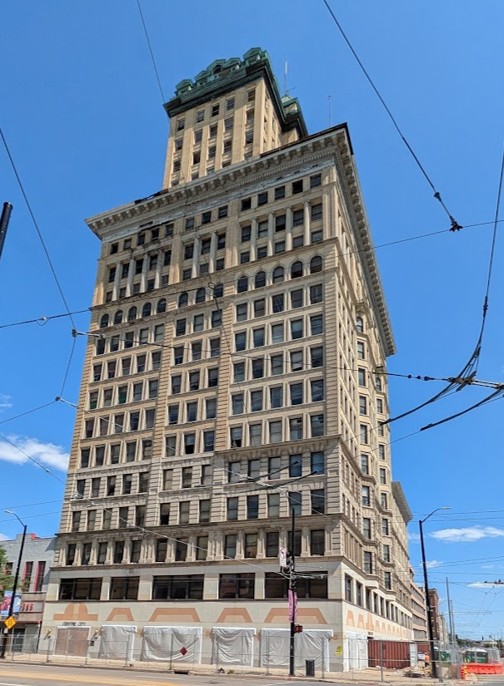
Its sheer scale, prominent location, and layered history (including a couple of Wright Brothers connections) make it one of the most consequential redevelopment projects currently unfolding in downtown Dayton. And after years of stalled proposals and false starts, the momentum behind this building finally feels different.
This is a building I’ve written a lot about and also spoken about frequently in my history presentations.
This page brings together the full story of the building: how it came to dominate the skyline, why it struggled for so long, and what the current Mainline redevelopment could mean for downtown’s next chapter.
From United Brethren Publishing to a Skyline Landmark
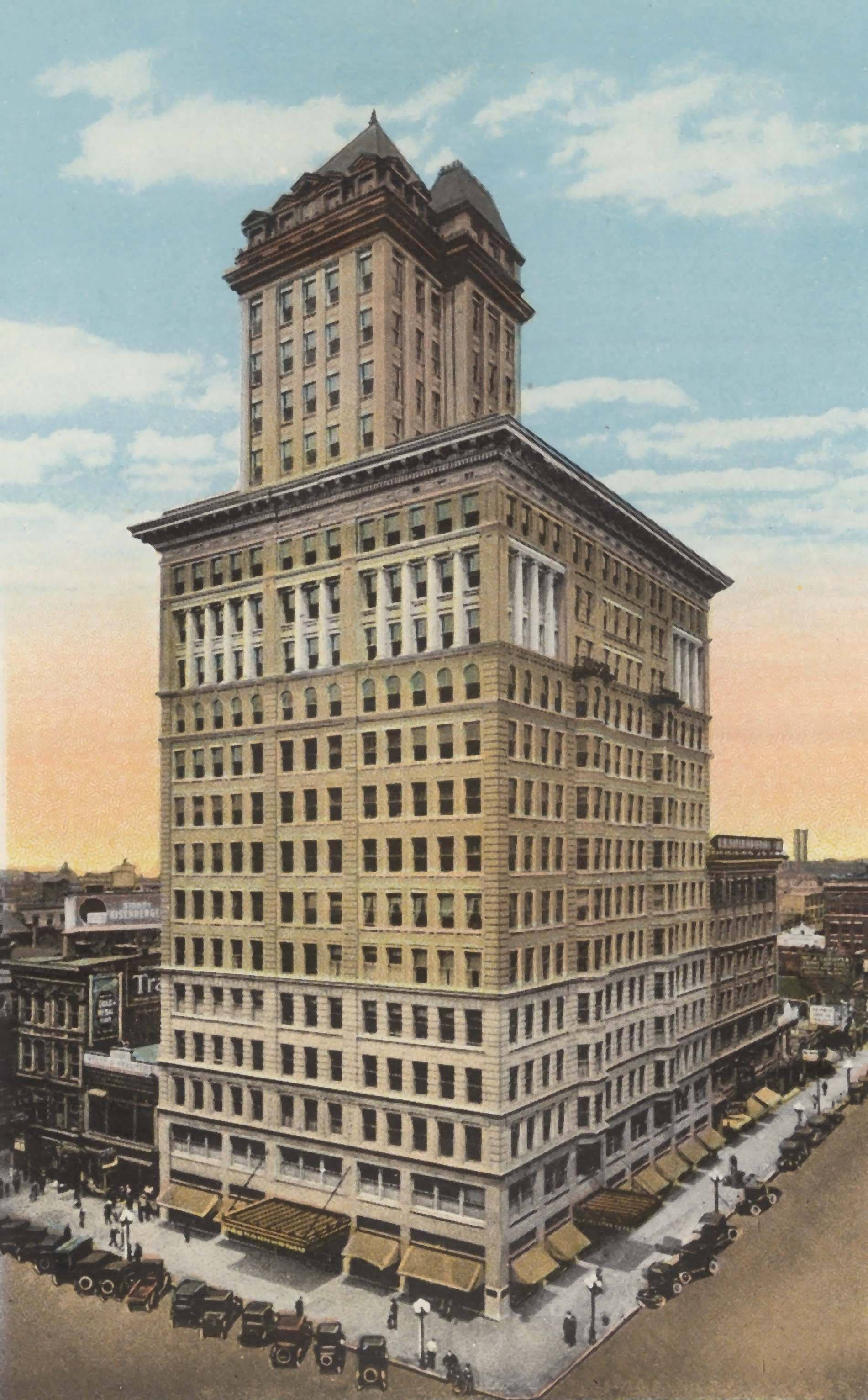
As shared in my Centre City Building history article, the structure’s original name was the United Brethren Building for the United Brethren Publishing House, a major early publisher of religious and devotional books and periodicals.
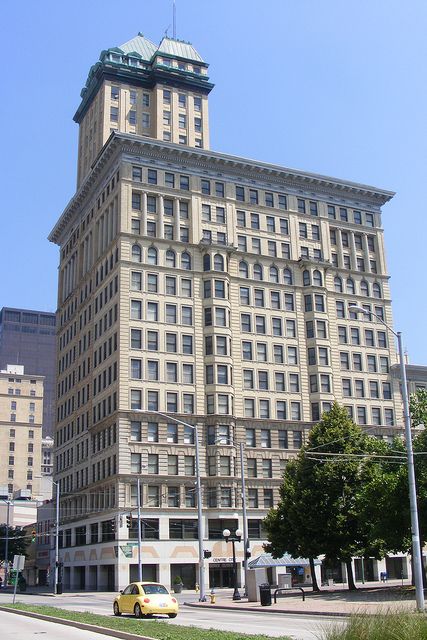
The Mainline (Centre City) was Dayton’s tallest building from 1904-31 when the Liberty Tower was built.
After its publishing life, the building was known for retail and was the home of the Adler and Child’s department store. At one point it was also known as the Knott Building. The top floor also had a penthouse apartment that the building owners lived in in the 1970s.
But one reason the Centre City Building has always been so difficult to reuse is the fact that it isn’t a single structure at all.
Not Just One Building
Sources also say it was one of tallest reinforced concrete office buildings in world at completion and its the only example in Dayton of the Chicago Commercial Style of architecture.
I’ve also written about how the Centre City is actually a complex of multiple buildings, at least 4, constructed at different times, giving it some similarity to its neighbor across Main Street, the Dayton Arcade.
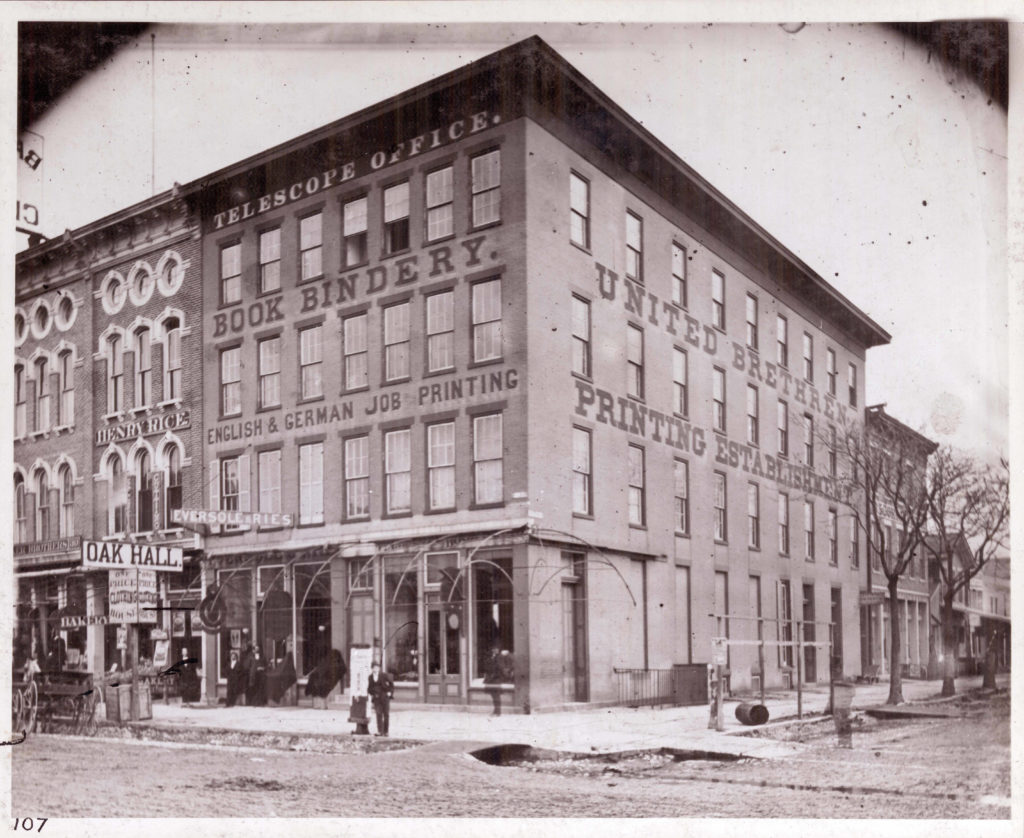
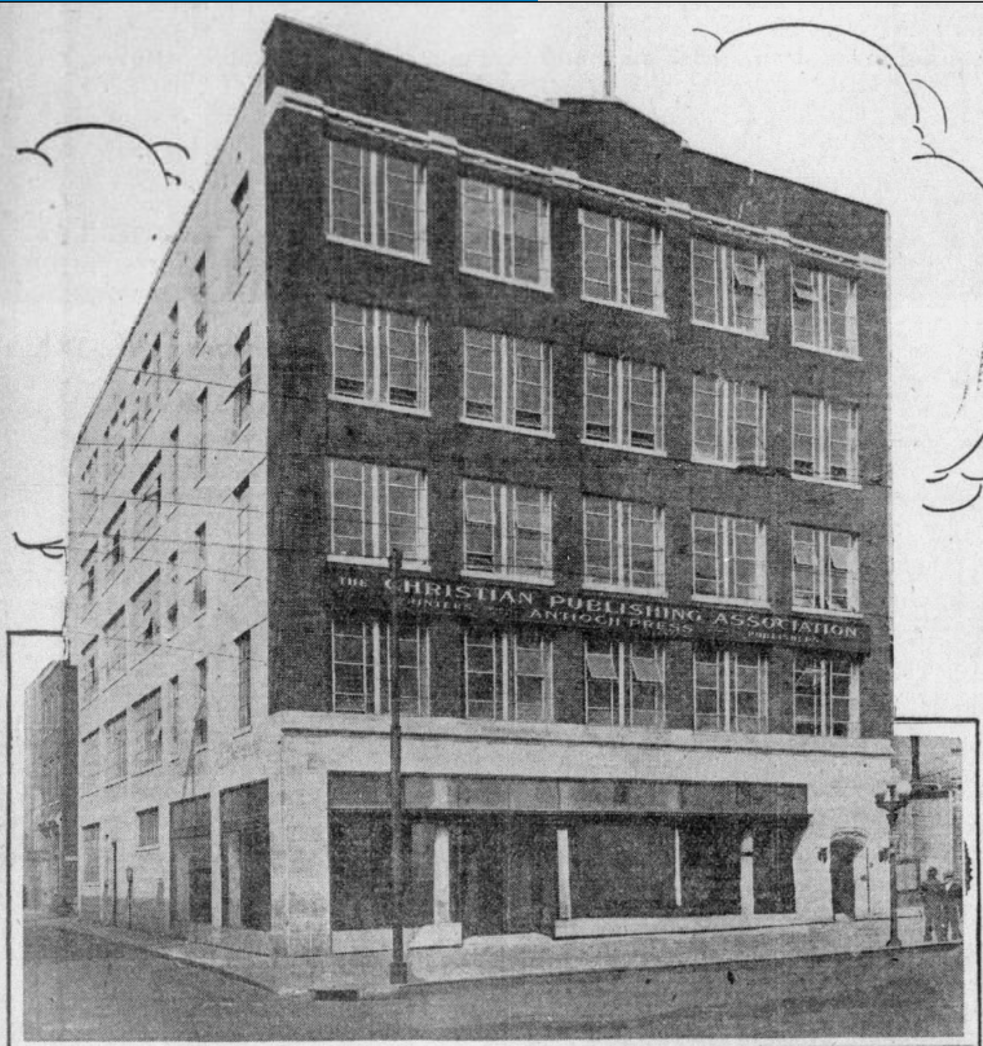
Looking at the huge complex today, there’s no trace remaining to show how modest the original version was at the corner. The United Brethren Publishing House operated since the 1850s in a 4-story building.
But they were successful and sought to build an office tower that would house additional tenants.
That resulted in the original building being replaced by a tall, skinny office tower completed in 1904 which is the portion of the current building on the south side, or closest to 4th Street.
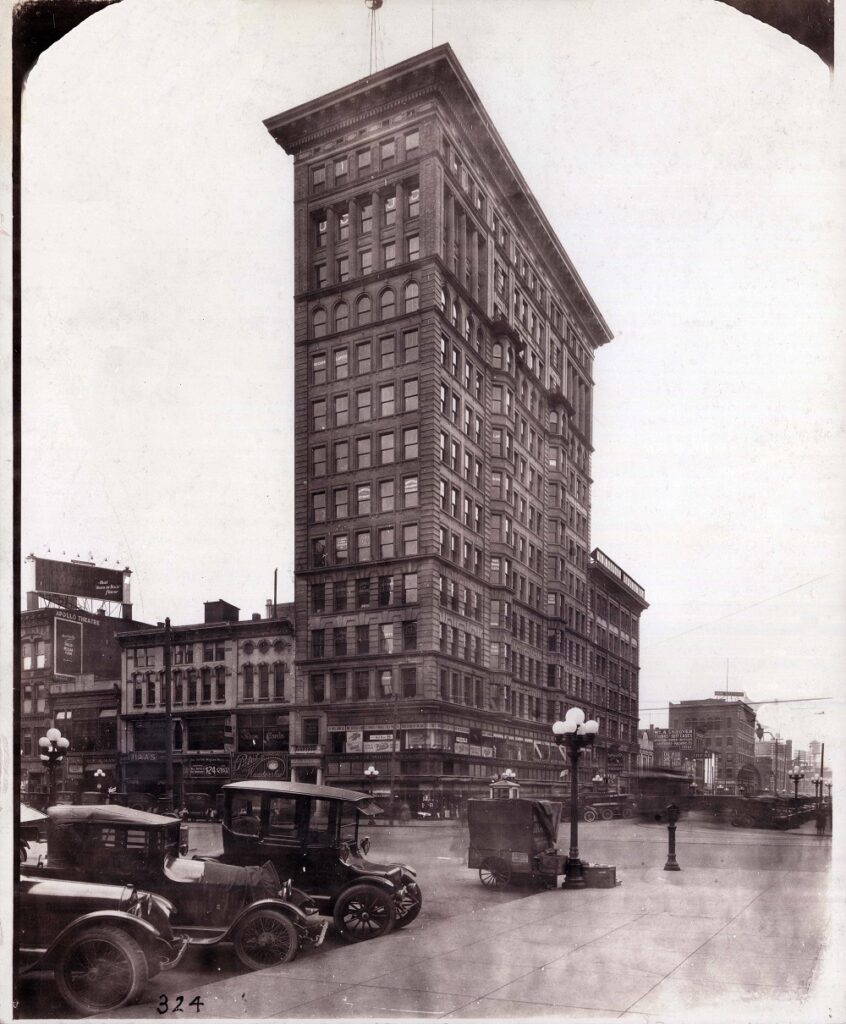
At the same time they renovated two earlier manufacturing buildings to the east on 4th Street. And in 1909 they built a new manufacturing extension on Market Street side (today the bus hub, where the temporary police station is currently being built on the Main Street side).
Then in the early 1920s, a large addition to the north and the classic five-story tower were added to the main structure.
Later renovations, especially on the ground floor, attempted to visually unify the complex, masking these differences. The result is a building that appears singular from a distance but reveals its complexity up close.
Retail, Offices, and a Long Decline
Like much of downtown Dayton, the Centre City Building suffered as office tenants dispersed, retail habits shifted, and newer buildings pulled activity away. By the 1990s and 2000s, tenants were leaving rapidly.
The Centre City has been completely vacant since around 2012 and it’s changed hands several times since then.
Over the next decade, Centre City changed hands multiple times. Several redevelopment plans emerged, and the project was even awarded $5 million in state historic tax credits more than once, only for those credits to be surrendered when full financing couldn’t be assembled.
Each passing year of vacancy accelerated deterioration, pushing the building closer to the edge.
A Turning Point: The Mainline Redevelopment
That trajectory began to change when Model Group, working alongside Cross Street Partners (the lead developer of the Dayton Arcade), turned its attention to Centre City. Rebranded as The Mainline, the project partners have been assembling the complex financial and logistical puzzle required to save the building.
According to reporting, Model Group has been working on the current plan for nearly four years. The proposal calls for:
- 217 apartments, including:
- affordable senior housing
- workforce housing
- market-rate units
- Nearly 10,000 square feet of ground-floor commercial space
- A mix intended to bring consistent daily activity back to Main Street
The scale reflects a recognition that downtown housing, across income levels, is essential to long-term revitalization.
How the Financing Is Coming Together: And Will It Really Happen?
What makes the Mainline effort different from earlier attempts is the breadth of public-private coordination involved. So far it includes:
- Prior city investment of $2.5 million to secure and stabilize the crumbling exterior, which had become a public safety concern.
- $6 million from the City of Dayton, routed through the Montgomery County Land Bank, to support remediation, pre-development, and stabilization work. (And some of this funding is expected to help match millions of dollars in state demolition funds for internal remediation activities.)
- A capital lease arrangement with the Dayton-Montgomery County Port Authority, allowing sales-tax abatements on construction materials, saving an estimated $2.4 million.
And the full financial closing is expected in the spring of 2026.
The Missing Piece: an Attached Parking Garage
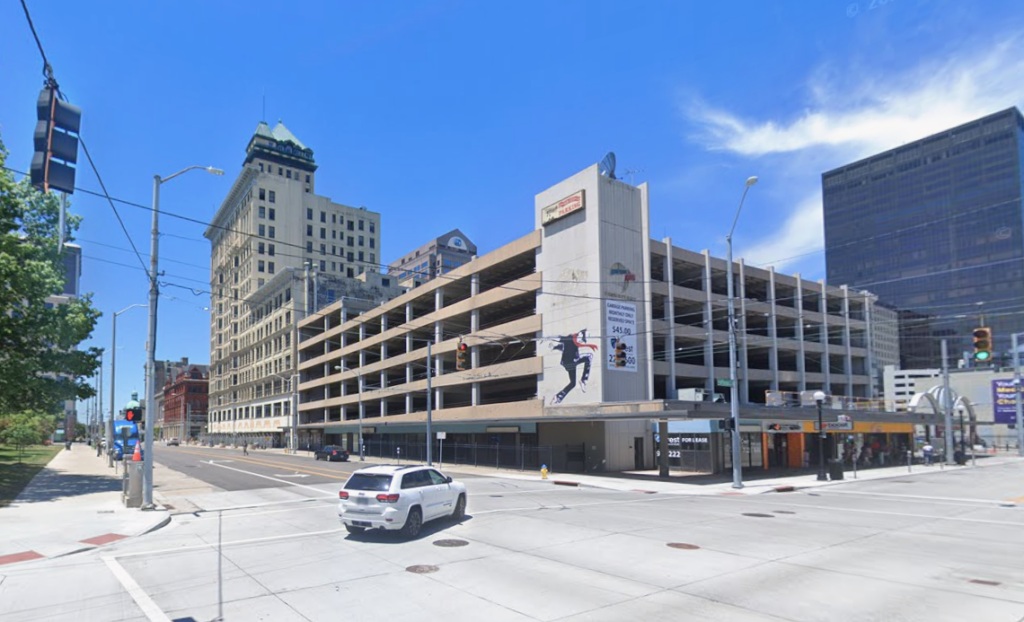
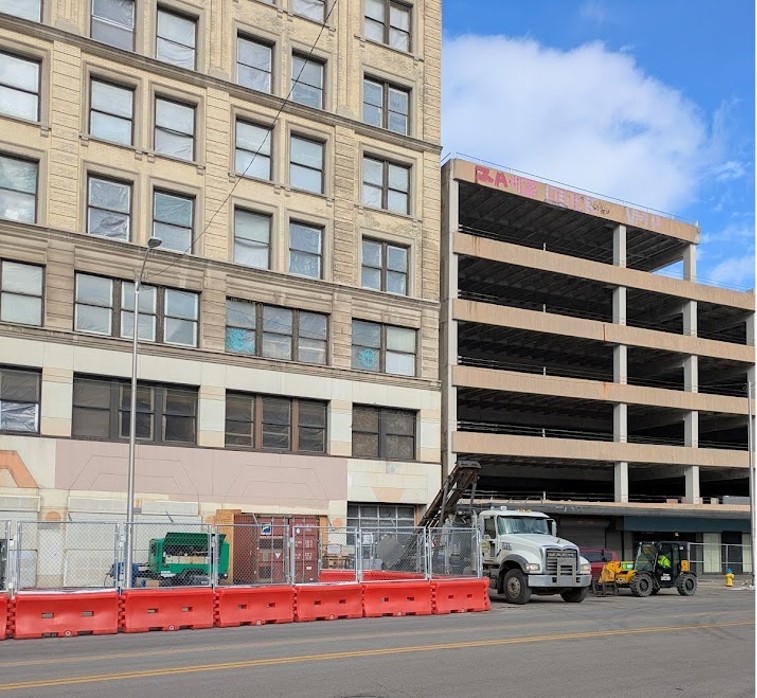
One under-the-radar breakthrough involved the Air City Garage, attached to the east side of the complex and extending toward Jefferson Street.
For years, the inability to acquire or coordinate around the garage posed a major redevelopment barrier.
That changed when Greater Dayton RTA stepped in, committing $10 million it had previously set aside for parking infrastructure to partner with Model Group on acquisition and renovation.
This move unlocked the site in a way previous plans never managed.
Why the Centre City Building Matters Now
I’ve been talking about this building for years, and after walking past it vacant since I came to Dayton in 2013, it’s very exciting to walk by today and see actual real activity underway, which is some of that previously mentioned abatement work.
And my excitement is shared by city and project leaders, who also have commented on the stakes of the redevelopment puzzle.
“This is a big day for Dayton,” said Tony Kroeger of the City of Dayton. “It’s a big day for the history of Dayton, for the architecture of Dayton, for downtown and for addressing the need for housing.”
Lasserre Bradley III, Model Group’s president of development, said that “our urban cores cannot remain static. They are either moving forward or regressing. The loss of a significant historical icon building like the Centre City Building would leave an unanswerable hole in these districts and the Main Street corridor.”
Paul Bradley, executive director of the Montgomery County Land Bank, said “I strongly believe that every year this building sits, it tips further and further toward demolition. This current effort led by the city of Dayton is the best opportunity I’ve seen to transform this eyesore into a key piece of our downtown landscape.”
Centre City’s revival is about more than saving the building itself, as exciting as that is. Its success, or failure, also has implications for the Main Street corridor, Courthouse Square’s future, the momentum generated by the Arcade, the new hotels nearby.
As one official put it, losing a building of this scale and prominence would leave an “unanswerable hole” in downtown’s urban fabric.
This is a project I’ll continue to track closely as The Mainline moves from plans to reality.
Further reading:
https://daytonvistas.com/history-of-the-centre-city-united-brethren-building/
https://daytonvistas.com/daytons-centre-city-as-multi-building-complex/
https://daytonvistas.com/the-dayton-arcade-its-history-buildings-decline-and-redevelopment/
Sources:

[…] a hotel, and the new retail concourse off of Third Street. Across Main Street the long-vacant Centre City Building, now rebranded as The Mainline, is well into its conversion to senior, workforce, and market-rate […]