Dayton, Ohio has no shortage of museums due to its history as a major center of American innovation and industry. But while visitors often gravitate to the best-known attractions like the Air Force Museum, Carillon Historical Park, and Wright Brothers sites, the city is also home to a number of more specialized museums that preserve important pieces of Dayton’s story in ways that can be easy to overlook.
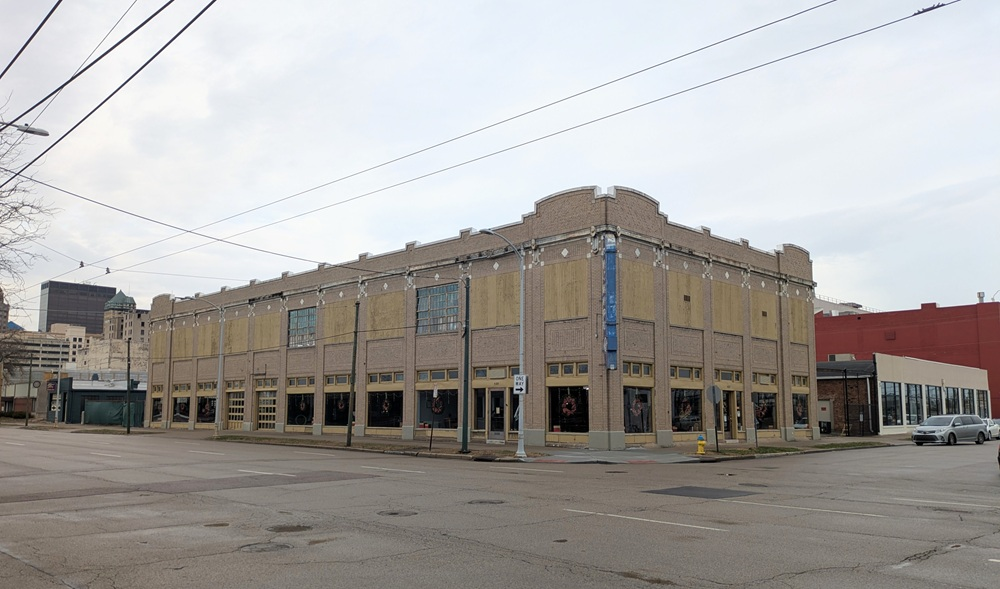
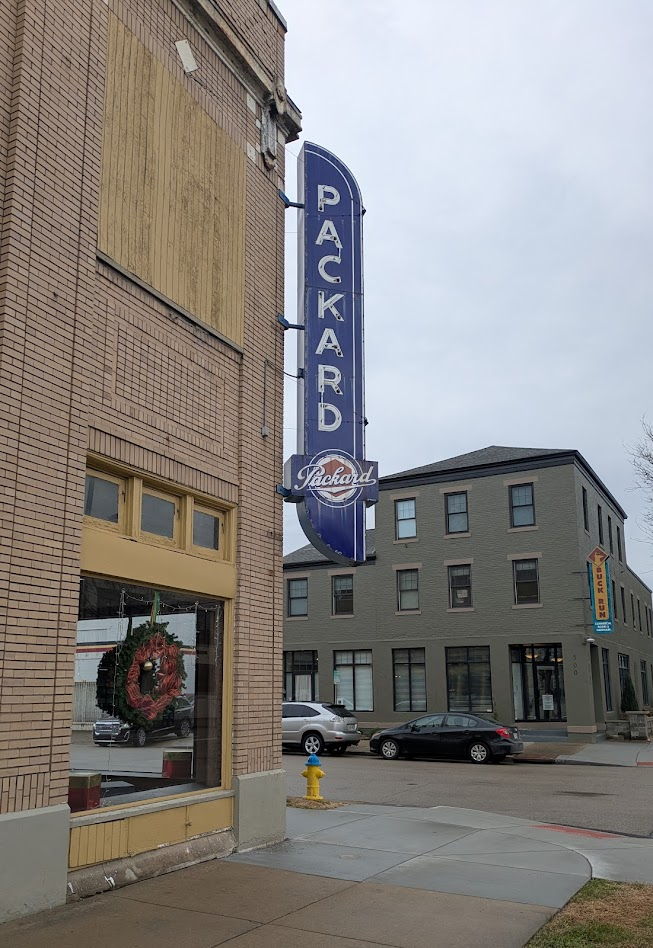
One of the most fascinating is America’s Packard Museum, located on South Ludlow Street at the southern edge of downtown, which is notable not only for its collections but also for the building in which they are housed.
Its Downtown Dayton Home: The Origins of the Citizens Motor Car Company and Its Building
While the museum is known for its collection of classic Packard automobiles, the historic building itself is perhaps the most significant artifact on display.
America’s Packard Museum is located in a former Packard distributorship and service facility that was purpose-built for the early automobile age. It has survived waves of change that erased most of the industrial buildings around it as well as similar facilities across the Dayton area.
And unlike many museums that occupy other types of buildings, this has remained an automotive facility for its entire existence, giving today’s visitors a rare chance to experience classic cars in their original environment.
The Citizens Motorcar Company was founded in Cincinnati in 1906 as a Packard distributor and it served both the Queen and Gem Cities from the beginning. In Dayton, its first brick and mortar location came in 1912 in a now-lost building at Second and Ludlow near the center of downtown. But five years later its growth made it necessary to look for a larger home.
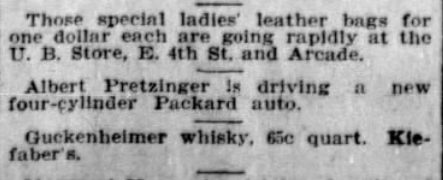
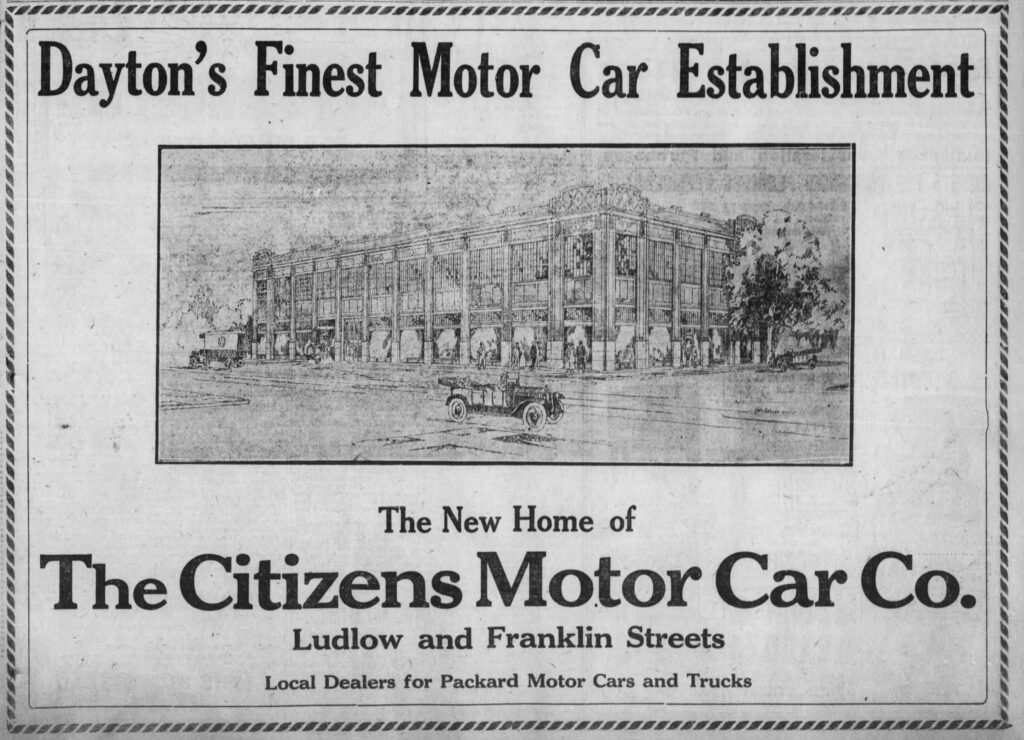
Citizens bought the land at the NE corner of Franklin and Ludlow Streets in May 1917. The two-story-and-basement fireproof building cost $80,000 and was designed by prominent Dayton architect Albert Pretzinger in the style of Albert Kahn, the German-born architect who had designed Packard’s factory in Detroit.
According to curator Stu Morris, “its design incorporated the philosophy of the Packard factory: wide aisles of columns, concrete and steel frame finished with a brick facade. The buildings contents – chief among them, cars – would be moved from floor to floor via a large freight elevator. Furthermore, the design allowed for vertical expansion of floors if needed.”
The facility opened for business in 1918 as a Packard distributor showroom, service center, and storage facility.
Timeline in a Century of Evolution
1930s: A second structure (later known as the Pavilion) is developed on the adjacent land to the east, which was originally an open air used car lot.
1937: J.R. Knupp incorporates Knupp Motors as Dayton’s Packard dealer, separating from the Citizens name.
1940: Knupp Motors enters receivership; buildings are acquired by Rodgers Pontiac.
1942–1945: During World War II, the building is leased to the U.S. Army Signal Corps and used as a radar school.
1964: Rodgers Pontiac moves to 835 S Main St. Davis Buick purchases the buildings to be used as a parts warehouse and body shop. (Davis Buick had also just purchased the former Barlow Motor Car Co building to the east that was later transformed into the Community Blood Center, which you can see in this article.)
1974: Davis moves to Centerville. Automotive Associates and its subsidiary, Genuine Auto Parts, occupy the buildings for automotive parts distribution. (Genuine Auto Parts also already occupied the building at the corner of Franklin and Main just down the block, which you can see in this article.)
1986: Genuine Auto Parts vacates the property, and the buildings are placed on the market.
America’s Packard Museum is Established
In 1992, local attorney and Packard collector Robert E. Signom II purchased the property and established a nonprofit to create a museum.
America’s Packard Museum officially opened on June 30, 1992 with a parade of around 100 Packard automobiles which traveled from the Air Force Museum to the corner of Ludlow and Franklin.
The Pavilion building was purchased in 1994 and opened as additional museum exhibit space in 1996 following renovation.
Current Museum Collections and Spaces
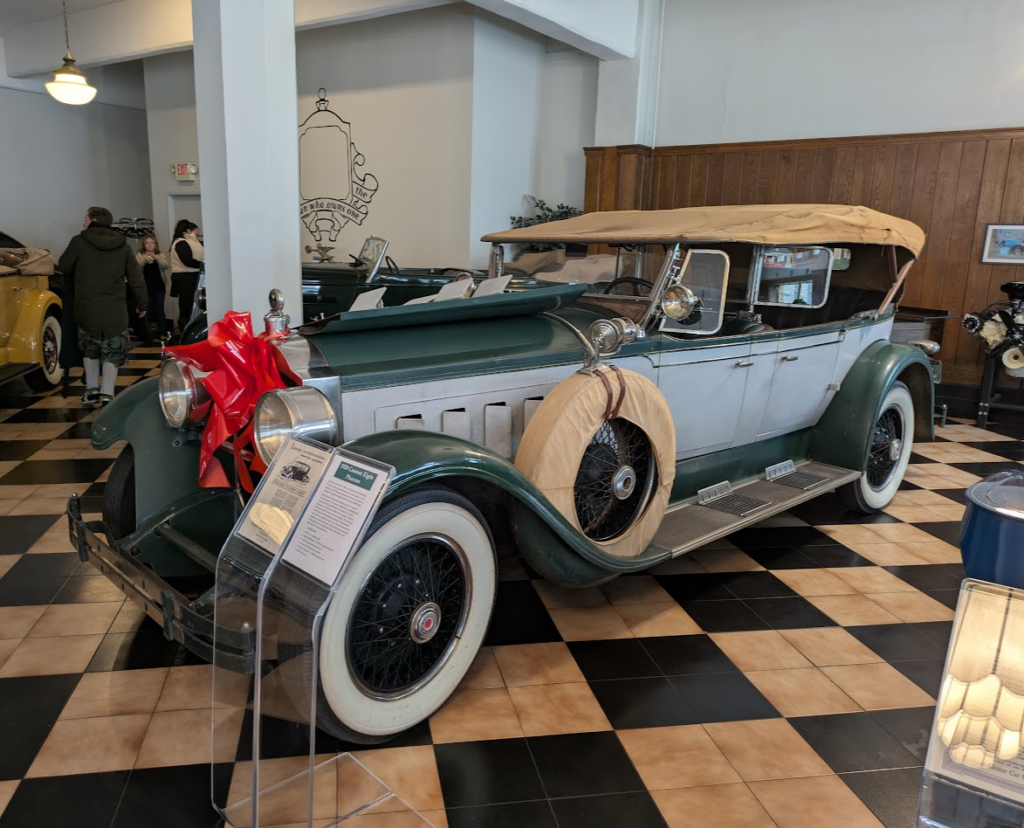
Today, the buildings house the largest public collection of vintage Packard cars in the world, which are complemented by a wide variety of historic artifacts.
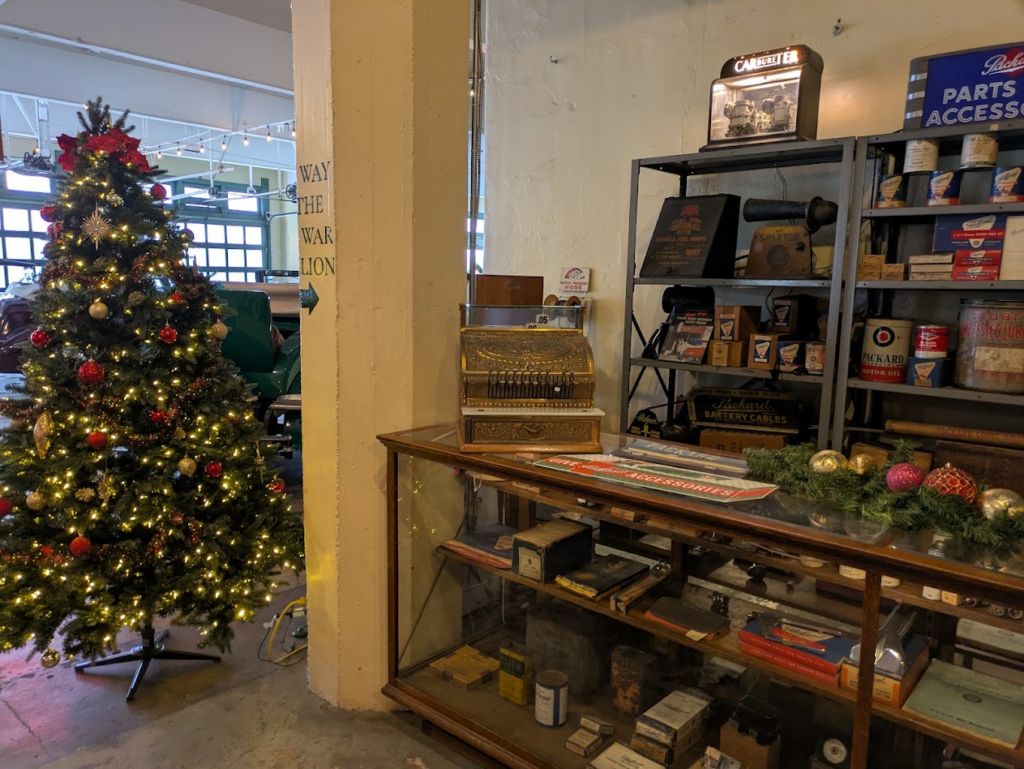
Upon entering the building it becomes clear that no detail has been spared, as “the floor tiles, light fixtures, and decorations replicate the actual showroom” and you can even see the original radio in the general manager’s office. Beyond the showroom is the service department which also features most of its original equipment.
The freight elevator used to transfer vehicles dates back to 1940 when it was installed by the Ohio Elevator and Machine Company to replace the original elevator.
From there visitors can walk through a breezeway to see the large Pavilion with additional exhibit space as well as a children’s area which was originally an office for sales personnel.
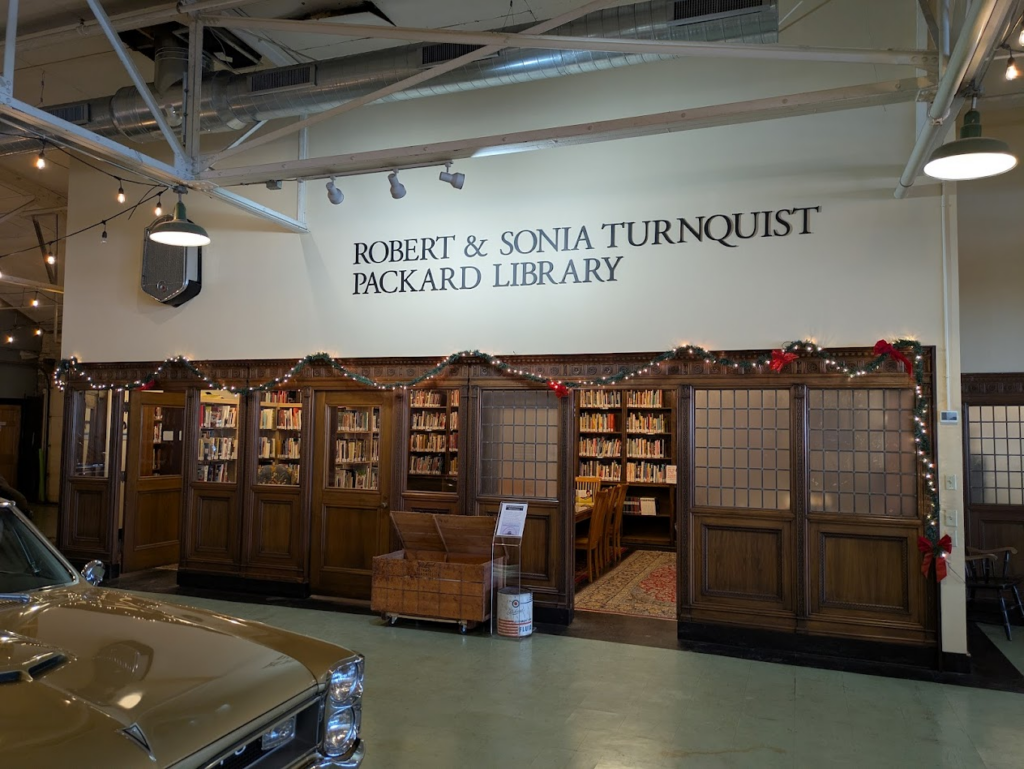
The Pavilion also houses the Turnquist Automobile Library which was founded in 2009, and features a collection of over 4,000 automotive books.
Overall, you certainly don’t need to be a car buff to enjoy the experience and anyone who likes history, design, photography, or vintage aesthetics will find plenty to interest them in the varied exhibits.
And the location is only a few blocks south of the center of downtown and is an easy walk away from the downtown hotels, Oregon District, Sinclair College, and everything else downtown.
In addition to visiting the space, guests can also become a member which carries a variety of benefits including free admission and lending privileges at the automotive library. America’s Packard Museum is also a popular site for private events of all types.
Visit the America’s Packard Museum website for more information on its bours, spaces, and offerings.
Sources
HISTORY OF THE BUILDINGS AND THE CITIZENS MOTOR CAR COMPANY, America’s Packard Museum
https://www.americaspackardmuseum.org/automotive-history-museum-building
Leave a Reply